Introduction of Fuzhou
Fuzhou, the capital of Fujian Province, is located on the southeast coast of China. Fuzhou is a city with picturesque mountains, clear waters, and rich ecological endowments. It boasts a long history and has been a hub of talents, for which it is known as the “Land of Blessings”.
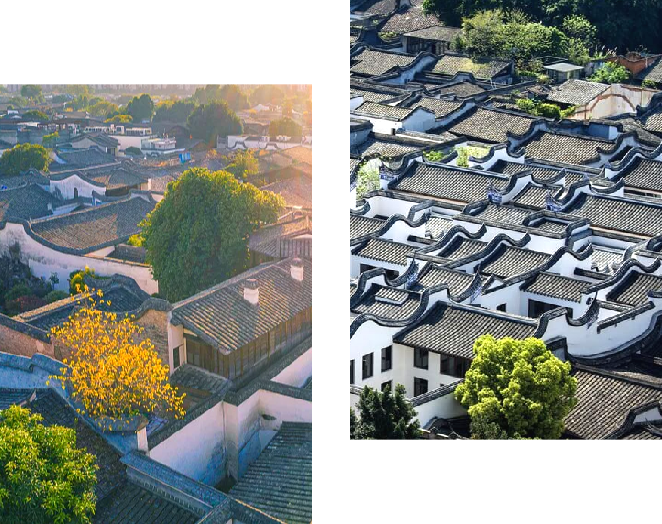
Fuzhou is endowed with an excellent ecological environment and rich natural resources. The optimal temperature and warm and humid weather in Fuzhou have led to the widespread planting of banyan trees, which are lush and green all year round. Legend has it that, during the Northern Song dynasty, Prefect Zhang Boyu advocated that “each household should plant banyan trees”. As a result, “Fuzhou city is shaded by greenery, and no umbrella is needed in summer”, hence the name “City of Banyans”.
According to historical records, during the Five Dynasties period, Wang Shenzhi, the King of the Min Kingdom, expanded the city of Fuzhou, and enclosed the beautiful scenery of Yushan Hill, Wushan Hill, and Pingshan Hill in the city, creating a unique pattern of “hills within the city and the city embraced by mountains”. Therefore, Fuzhou is also known as “Sanshan” (Three Hills). The Minjiang River, the largest river in Fujian Province and the mother river of Fuzhou, runs through the city like a green belt, giving rise to the name “Three Hills and One River”, which has become the major symbol of the city. Today, Fuzhou is one of the greenest cities with the best air quality in China. It is also the country’s most representative city for hot springs. Fuzhou’s urban districts boast abundant hot spring resources for tourism development. “Ecological and Green” has become a distinctive hallmark of Fuzhou city.